Dubrovnik Hospitality RWA: Tokenized Euro-Yields on the Adriatic
Dubrovnik, the “Pearl of the Adriatic,” represents one of the most uniquely constrained real estate markets globally. Protected by strict UNESCO World Heritage regulations, new property supply within its historic core and prime coastal cliffs is virtually zero. Following Croatia’s integration into the Eurozone and Schengen Area, this absolute scarcity has collided with frictionless European capital mobility. By utilizing EU MiCA-compliant tokenization structures, institutional Web3 capital is now fractionalizing Dubrovnik’s trophy hospitality assets, unlocking Euro-denominated, high-ADR (Average Daily Rate) yields that were previously walled off by illiquidity.
1. Price & Valuation Dynamics
The transition to the Euro has eliminated currency friction, fundamentally repricing prime Adriatic coastal assets to align with top-tier Mediterranean hubs (like the French Riviera and Amalfi Coast).
| Market Metric (Source: Eurostat & Local Market Data Q2 2026) | Current Data | RWA Market Implication |
|---|---|---|
| Prime Old Town Real Estate (Per sq meter) | €8,000 – €12,000+ | High capital barrier necessitates fractional tokenization for optimal portfolio entry. |
| Luxury Short-Term Rental ADR (Summer Peak) | €500 – €1,500+ / Night | Generates massive seasonal cash flow, ideal for automated stablecoin dividend streaming. |
| Net Hospitality Yield (Boutique Villas) | 6.5% – 8.5% | Significantly outperforms traditional EU urban yields (Paris, Berlin) while keeping Euro exposure. |
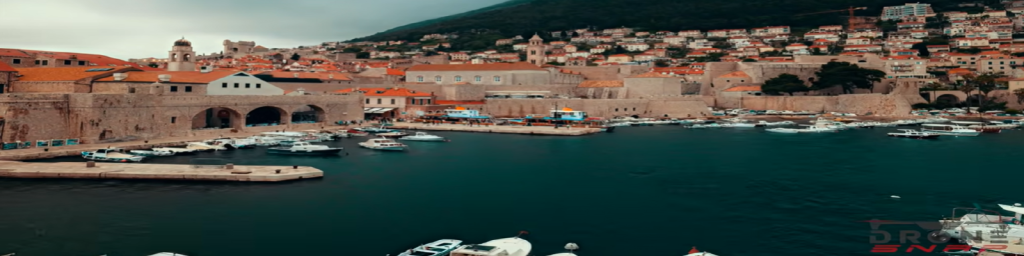
on much of the mainland./credit: international-living
2. Market Reaction
Global and pan-European investors have radically altered their deployment strategies regarding Croatian assets:
- The “Schengen Effect” Inflow: The removal of border controls and the adoption of the Euro (EUR) triggered an immediate influx of German, Austrian, and Scandinavian institutional funds buying up boutique hotels and historic villas for repositioning.
- SPV-Led Acquisitions: Because historic property renovations require heavy upfront capital and strict preservation adherence, local developers are aggressively partnering with offshore digital funds to tokenize the equity of the holding SPVs, ensuring swift capital raising via EU MiCA frameworks.
3. Economic Trends
The Adriatic coast is benefiting from a broader macroeconomic shift in global tourism and wealth management:
- Experiential Luxury over Mass Tourism: Dubrovnik is actively pivoting away from cheap cruise-ship mass tourism toward ultra-high-net-worth (UHNW) experiential travel. This increases the profitability of tokenized luxury villas and yacht-adjacent hospitality assets.
- Euro-Stablecoin (EURI / EURC) Settlement: As the European Central Bank and MiCA regulations standardize Euro-backed stablecoins, rental yields generated in Dubrovnik can be settled natively in Euro-tokens, bypassing USD FX volatility for European and Asian family offices.
4. Industry Stakeholder Experience
On the ground, local property managers and legal conveyancers are experiencing a structural evolution:
- Bypassing Illiquidity: Boutique hotel operators, historically constrained by the illiquidity of high-value historic assets, can now tokenize 30-40% of their equity to global Web3 investors. This provides instant liquidity for property upgrades while retaining operational control.
- Automated Legal Compliance: Croatian lawyers utilizing SPV tokenization report that embedding KYC/AML and EU residency checks directly into the smart contracts drastically reduces the administrative burden of managing cross-border syndicates.
5. Investor Sentiment & Public Opinion
Institutional and retail sentiment positions Dubrovnik as a “Trophy Asset” anchor within digital portfolios:
- The Prestige Factor: Similar to holding real estate in Monaco or Lake Como, owning fractional security tokens of a 16th-century Dubrovnik villa carries immense psychological prestige alongside its financial yield.
- Safe-Haven EU Jurisdiction: Investors feel inherently secure knowing their capital is protected by full European Union property laws, rather than the jurisdictional ambiguities often found in unregulated offshore island resorts.
6. Socio-Economic Implications
Tokenization offers a sustainable pathway for foreign investment without displacing local populations:
- Protecting Local Housing: By channeling foreign Web3 capital specifically into commercial hospitality SPVs and tokenized boutique hotels, it reduces the pressure of wealthy foreigners buying up standard residential apartments, helping to protect local housing affordability.
- Preserving Cultural Heritage: The liquidity generated through fractional RWA funding provides the intense capital required to continuously maintain and preserve centuries-old UNESCO architecture, ensuring heritage conservation is economically self-sustaining.
7. Leverage Mediterranean RWA Analytics via 82shops
- Track real-time Adriatic property metrics on our Global Property Intelligence Gateway.
- Consult our AI engine for EU MiCA compliant structuring: AI Concierge → Talk to AI Liaison (Live).
- Connect with vetted Croatian conveyancers and EU-licensed SPV managers via the AI-Network (Broker Network).
Socko/Ghost