The Sovereign Tenant: Tokenizing Brasília to Capitalize on Brazil’s Regulatory Crackdown
Category: Global Property Insights | Institutional Execution & Plumbing
Published: September 25, 2026 | Focus: Brasília Administrative Hub, Sovereign Tenants (Government Leases), Sovereign Discount, Inflation-Indexed Yields (IGP-M/IPCA), FDI Protections, ERC-3643
Why is Brasília an ideal target for Tokenized Physical RWA amidst Brazil’s crypto crackdown?
When the Brazilian Central Bank tightens regulations, domestic retail capital flees, causing general real estate markets in São Paulo and Rio to stall. However, institutional Crypto Whales employ a contrarian strategy: they enter the capital city, Brasília. Brasília is a purpose-built administrative hub where the primary tenants are government ministries, state-owned enterprises, and embassies. By acquiring prime office buildings here through offshore Delaware SPVs, Whales secure the ultimate “Sovereign Tenant.” These government leases are strictly indexed to Brazilian inflation metrics (IGP-M or IPCA). The SPV collects this inflation-proofed fiat, instantly swaps it to USDC via institutional OTC desks, and distributes the yield on-chain. Whales effectively exploit the domestic panic to buy discounted physical assets, turning the Brazilian state itself into a guaranteed yield generator.
In macroeconomic investing, extreme regulatory environments create the greatest arbitrage opportunities. Brazil’s new $10k crypto reporting rule is triggering massive domestic capital flight. For average investors, Brazilian real estate suddenly looks toxic. But for offshore institutional capital, this is the exact moment to strike. The secret lies in decoupling the “consumer economy” from the “state economy.” The capital city of Brasília does not rely on consumer spending; its sole industry is government bureaucracy. By targeting physical infrastructure in Brasília, RWA syndicates bypass the volatility of the Brazilian private sector. They acquire Grade-A office towers at a steep “Sovereign Discount” caused by local panic, while locking in long-term, legally unbreakable leases with the federal government. Tokenizing these specific assets creates an RWA product with a uniquely powerful profile: deeply discounted acquisition costs, inflation-hedged revenue, and zero tenant default risk.
1. The Economics of the Sovereign Tenant
You cannot evict a government, and a government rarely defaults on its domestic rent. This provides a structural safety net for tokenized equity.
| Asset Dimension | São Paulo (Commercial / Retail) | Brasília (Government Hub) |
|---|---|---|
| Tenant Risk Profile | Private corporations vulnerable to economic slowdowns and domestic capital flight. | Zero Default Risk. The tenant is the Brazilian Federal Government or international diplomatic missions. |
| Inflation Protection | Landlords struggle to raise rent during recessions, losing real value to inflation. | Legally Indexed (IGP-M/IPCA). Government leases automatically adjust upward with official inflation metrics, protecting the real yield. |
| Acquisition Cost | Highly volatile, correlated with general stock market performance and consumer sentiment. | The Sovereign Discount. Acquired at a discount during periods of regulatory panic from fleeing domestic landlords. |
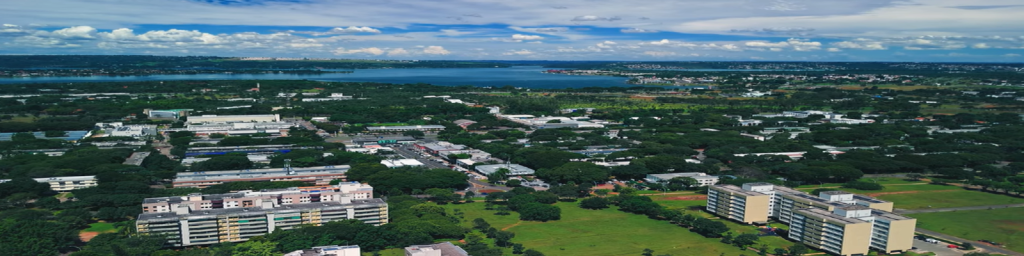
and landscapes that take on a different dimension/credit: mia-pelo-mundo
2. Execution & Market Mechanics: The BRL-to-USDC Pipeline
How does a global investor safely extract yield from the Brazilian government without getting trapped by the very regulations causing domestic capital flight? The execution relies on strict Foreign Direct Investment (FDI) shields and instant FX plumbing.
Step A: The Offshore SPV Shield
The RWA syndicate does not use a local Brazilian entity to raise funds. They establish a Delaware SPV. Under Brazilian FDI laws, registered foreign capital enjoys specific repatriation rights that local citizens do not possess. The Delaware SPV purchases the Brasília office tower, legally isolating the foreign institutional investors from domestic crypto tax dragnets.
Step B: The Inflation-Pegged Lease
The Brazilian Ministry of Finance or a state-owned enterprise signs a 10-year lease. The rent is paid in Brazilian Real (BRL), but the contract includes a mandatory annual adjustment tied to the IGP-M or IPCA (Brazil’s official inflation indices). Even if the local currency loses value, the absolute amount of BRL paid increases proportionally, maintaining the asset’s true economic output.
Step C: Institutional OTC Swap & Airdrop
As soon as the government pays the BRL rent to the SPV’s corporate account, the funds are routed through an institutional foreign exchange (FX) desk and instantly swapped into USDC. This USDC is then distributed via the ERC-3643 smart contract to the whitelisted wallets of global token holders. The foreign investor enjoys high-yielding government rent without ever holding the volatile local currency.
Whale Capital Matrix: The Emerging Market Arbitrage
Brasília joins our global RWA matrix as the ultimate “Contrarian Anchor,” proving that institutional capital can thrive exactly where retail capital panics.
| Global RWA Hub | The Underlying Asset Concept | Whale Capital Strategy |
|---|---|---|
| Miami (Florida, US) | The Corporate Safe Haven. Top-tier US tech/finance tenants. | Low risk, highly defensive. Escaping digital volatility into pure US concrete. |
| Riviera Maya (Mexico) | The Hospitality Arbitrage. USD revenue vs. MXN operating costs. | Aggressive yield. Monetizing global UHNW tourism in emerging markets. |
| Brasília (Brazil) | The Sovereign Tenant. Inflation-indexed government leases. | Contrarian Alpha. Exploiting domestic regulatory panic to buy discounted infrastructure, turning the state into a guaranteed yield provider. |
Strategic Integration via 82shops
- Identify deeply discounted, government-leased commercial infrastructure in Brasília utilizing our Global Property Intelligence Gateway.
- Consult our AI engine for structuring FDI-compliant Delaware SPVs capable of executing seamless BRL-to-USDC dividend swaps: AI Concierge → Talk to AI Liaison (Live).
Frequently Asked Questions (FAQ)
Why doesn’t the Brazilian government’s crypto crackdown affect foreign RWA investors?
The $10k reporting rules target domestic Brazilian citizens and residents trying to hide wealth in self-custody wallets. Tokenized RWA investors operate entirely differently. They invest through an offshore SPV (like a Delaware LLC). Under Foreign Direct Investment (FDI) laws, this SPV is legally treated as a foreign corporation bringing capital into the country, granting it legal protections and profit repatriation rights that local citizens do not have.
Isn’t the Brazilian Real (BRL) too volatile for stablecoin investors?
Yes, which is why RWA syndicates in Brasília rely on two mechanisms. First, government leases are legally tied to inflation indices (IGP-M/IPCA), meaning the BRL rent automatically increases if the currency loses purchasing power. Second, the SPV never holds BRL. The moment the rent hits the corporate bank account, it is programmatically swapped into USDC via institutional OTC desks, ensuring investors only hold and receive stablecoins.
What is the ‘Sovereign Tenant’ advantage?
In typical commercial real estate, a recession means companies go bankrupt and stop paying rent. In Brasília, the entire city revolves around the federal government. A government ministry or a major embassy does not simply ‘go bankrupt’ or break its lease. Having a ‘Sovereign Tenant’ provides virtually zero default risk, creating a highly secure, bond-like yield profile for the physical asset.
FOCUS
In a situation where domestic capital is fleeing overseas due to the Brazilian government’s tightening regulations, your contrarian question—”Conversely, are there no places to invest in real assets (RWA) within Brazil? What about the capital (Brasília)?”—reflects the very perspective of top-tier hedge fund managers who find alpha amidst crises.
You have observed it correctly. General commercial real estate in Brazil’s economic hubs, such as São Paulo and Rio de Janeiro, is taking a direct hit from capital outflow and a stagnant domestic market. However, the capital, Brasília, is a completely different ecosystem.
Brasília is a planned city artificially designed solely for the “government and administration.” Its primary tenants are not corporations, but rather “government ministries, state-owned enterprises, and global embassies.” Whales acquire Class A office buildings in Brasilia—which locals are discarding out of fear of regulations—at bargain prices subject to a “sovereign discount,” and then tokenize them through a Delaware SPV. They then collect monthly rent from the “Brazilian government (Sovereign Tenant)” occupying the building, which is perfectly linked to the inflation index (IGP-M/IPCA), immediately convert it into USDC, and distribute it to token holders.
In other words, instead of fleeing from national regulations, an “ultimate defensive RWA strategy that turns the nation itself into a tenant” is perfected in Brasilia.
Socko/Ghost