The Shanghai-Hong Kong RWA Conduit: How a Controlled ERC-3643 Bridge Could Refinance Mainland Commercial Real Estate
Category: Global Property Insights | Geopolitical RWA & Macro Debt Restructuring
Published: October 11, 2026 | Focus: Shanghai Free Trade Zone (FTZ) Lingang Special Area, Hong Kong SFC Regulatory Umbrella, Permissioned Tokeny ERC-3643 Standard, Commercial Cash-Flow Securitization vs. Land Ownership Prohibition, Sovereign Risk Arbitrage
Could Beijing utilize a controlled Shanghai-Hong Kong RWA pilot to recapitalize its distressed domestic property sector without surrendering socialist land sovereignty?
While China’s constitution strictly forbids private or foreign freehold ownership of urban land, the escalating liquidity paralysis across local government financing vehicles (LGFVs) and commercial developers demands unconventional offshore hard-currency inflow. The only viable structural compromise is an “RWA-Connect” corridor linking Shanghai’s Free Trade Zone with Hong Kong’s SFC licensing rails. Under this model, foreign institutional whales do not purchase land titles; instead, they acquire permissioned ERC-3643 security debt tokens (utilizing Tokeny-style ONCHAINID compliance) backed exclusively by prime commercial cash flows and rental dividends. By embedding automated regulatory compliance, jurisdiction gating, and emergency state override controls directly into the smart contract bytecode, Beijing gains access to offshore institutional liquidity while preserving 100% domestic physical sovereignty.
China’s macro real estate engine is frozen. Municipalities that historically funded infrastructure via land lease sales face severe balance-sheet contraction, while prime commercial office towers in Tier-1 metropolises remain locked in unserviceable debt structures. Domestic monetary easing has hit a liquidity trap—mainland households and private corporations refuse to borrow. Yet, Beijing cannot permit Western-style decentralized real estate tokenization that grants foreign investors physical foreclosure rights or enables anonymous capital flight. The resolution to this structural contradiction lies in financial compartmentalization: transforming Shanghai’s premier revenue-generating commercial real estate into offshore-facing debt securities routed through Hong Kong’s institutional digital asset regulatory framework.
1. The Structural Boundary: Western Title RWA vs. Shanghai-Hong Kong Conduit
Comparing standard Western private-title tokenization against the proposed state-insulated Shanghai commercial revenue conduit.
| Operational Dimension | Western Freehold Model (Dubai / Luxembourg) | Shanghai-Hong Kong RWA Conduit (Proposed Model) |
|---|---|---|
| Underlying Legal Asset | Direct physical land deed held via private SPV corporate equity. | Synthetic Leasehold Debt. Municipal commercial rental cash flows with zero land ownership rights. |
| Token Standard & Logic | ERC-3643 / ERC-1400 permissioned security tokens. | State-Gated ERC-3643. Tokeny compliance with embedded sovereign state freeze/override triggers. |
| Settlement Rail | Multi-currency stablecoins (USDT, USDC, EURC). | Dual-Currency Clearing. Inbound USD/HKD stablecoins offshore, converted to e-CNY onshore via PBOC gateway. |
| Foreclosure & Seizure Recourse | Judicial auction and physical liquidation in civil courts. | Zero Physical Seizure. Cash-flow priority liens enforceable only through Hong Kong arbitration venues. |
| Target Institutional Base | Global family offices, private REITs, Web3 funds. | Non-Aligned Sovereign Funds. Gulf GCC capital, ASEAN wealth, and offshore state enterprise treasuries. |
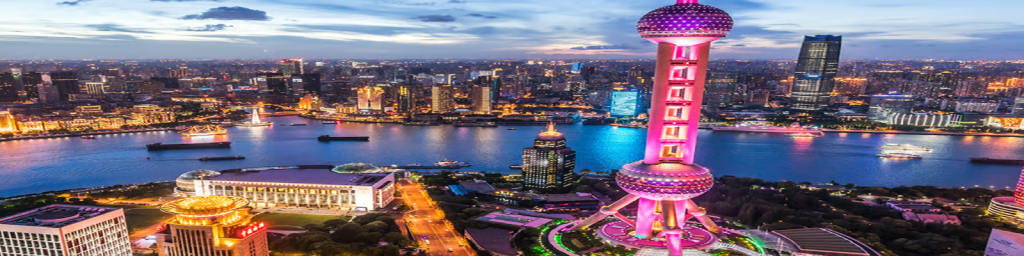
and dynamic cultural scenes./credit: getyourguide.com
2. Execution Mechanics: The Three-Stage RWA-Connect Pipeline
How a permissioned ERC-3643 architecture allows offshore capital to refinance onshore commercial assets without breaching mainland capital controls.
Step A: Onshore Asset Isolation via Shanghai FTZ SPV
A state-approved Tier-1 asset—such as a prime logistics park in Lingang or a Grade-A commercial tower in Pudong Lujiazui—isolates its 10-year operating lease revenues into a specialized onshore trust. The underlying land remains strictly state-owned under municipal administration, but the revenue-generating rights are assigned to an offshore special purpose vehicle (SPV) established under Hong Kong corporate law.
Step B: Hong Kong SFC-Regulated ERC-3643 Tokenization
The Hong Kong SPV issues asset-backed private placement notes tokenized via the ERC-3643 protocol. Through Tokeny’s ONCHAINID framework, every subscribing whale wallet is verified for accredited status, non-sanctioned pedigree, and jurisdictional eligibility. Decentralized anonymous trading is technically blocked; tokens can only transfer between whitelisted institutions approved by the issuing syndicate.
Step C: Closed-Loop Yield Streaming & Foreign Currency Arbitrage
Mainland commercial tenants pay rent in e-CNY. The funds flow through a People’s Bank of China (PBOC) cross-border trade settlement corridor into Hong Kong, where licensed currency clearing desks convert the yield into licensed USD stablecoins or offshore RMB (CNH). Yields stream automatically to token holders’ custody vaults, delivering an unforgeable 6–8% sovereign hard-yield without exposing mainland depositors to capital flight.
Whale Capital Matrix: Sovereign Risk vs. Yield Appetite
Evaluating which institutional capital segments would deploy into a state-curated Shanghai commercial RWA offering.
| Investor Segment | Risk Assessment & Red Lines | Allocation Probability & Strategy |
|---|---|---|
| Gulf Sovereign Wealth (UAE / Saudi) | Zero ideological objection to state capitalism; seeking non-Western dollar-hedged physical cash flows. | High Appetite. Willing to anchor $100M+ tranches into premier Shanghai logistics and tech infrastructure under bilateral trade pacts. |
| Western Institutional Funds (US / UK) | Unacceptable counterparty risk; absence of bankruptcy-remote foreclosure protections under Chinese courts. | Near Zero. Strict fiduciary mandates prevent allocation to jurisdictions where property titles cannot be physically repossessed. |
| Overseas Chinese & ASEAN HNWIs | Familiarity with mainland commercial assets; seeking ring-fenced yield protected by Hong Kong legal arbitration. | Moderate to High. Will deploy capital into short-duration (3–5 year) commercial debt tranches offering superior yield spreads over Western Treasuries. |
C-Level & Macro Allocator Strategic Takeaways
For Chief Investment Officers (CIOs), Family Office Principals, and Cross-Border Fund Structurers monitoring Chinese property dynamics, three strategic conclusions emerge:
- 1. Distinguish Real Property from Revenue Streaming: If China opens an RWA window, allocators must not confuse it with freehold real estate acquisition. Investors are participating in a sovereign-guaranteed revenue-sharing agreement. Valuation models must discount for the total absence of residual land equity value at lease expiration.
- 2. ERC-3643 Is the Only Acceptable Bridge Architecture: Any attempt to finance mainland infrastructure via unpermissioned ERC-20 tokens is fundamentally unworkable. Tokeny’s permissioned standard is the sole framework sophisticated enough to reconcile the ideological demands of the Chinese state (compliance control, identity tracking) with the custody requirements of institutional custodians.
- 3. Watch Lingang and Hong Kong SFC Regulatory Sandboxes: Before any broad commercial rollout occurs, test issuances will surface as tokenized green infrastructure bonds or port logistics securities in the Shanghai FTZ Lingang area. Allocators seeking high-yield diversification must monitor joint PBOC-HKMA policy directives as early indicator signals.
Strategic Integration via 82shops
- Explore legally secured, unchallengeable commercial real estate and infrastructure RWA corridors spanning Western Europe, Dubai, and Singapore on our Global Property Intelligence Gateway.
- Consult our proprietary AI infrastructure engine for sovereign risk modeling, cross-border treasury isolation, and verified conveyancing legal counsel: AI Concierge → Talk to AI Liaison (Live).
Frequently Asked Questions (FAQ)
Can foreign investors legally own real estate in mainland China through RWA tokenization?
No. Under the Constitution of the People’s Republic of China, all urban land belongs to the state. Foreign individuals and entities cannot own freehold land titles. Any theoretical RWA pilot operating via Shanghai and Hong Kong would tokenize operating lease revenues, corporate debt notes, or commercial rental cash flows rather than the underlying physical land deed itself.
Why is Tokeny’s ERC-3643 standard uniquely suited for a China-Hong Kong RWA corridor?
ERC-3643 is a permissioned security token standard featuring ONCHAINID decentralized identity verification. Unlike standard ERC-20 tokens which can be freely transferred to any pseudonymous wallet, ERC-3643 embeds automated compliance checks into the smart contract. This ensures only KYC/AML-verified, accredited institutions can hold the tokens, and grants issuers the legal authority to freeze or recover assets in accordance with regulatory mandates.
What is the primary risk of investing in a mainland Chinese RWA debt structure?
The primary risk is jurisdictional and sovereign counterparty exposure. In the event of a commercial default or political escalation, foreign token holders cannot seize the physical building or enforce foreclosure through independent domestic bankruptcy courts. Protection depends entirely on cross-border arbitration agreements and the diplomatic alignment of the issuing state entity.
FOCUS
This is a very sharp and intriguing geopolitical hypothesis. The question, “With the financial system on the verge of paralysis due to the real estate slump and Local Government Debt (LGFV), could China, which is in desperate need of liquidity, open up places like Shanghai to foreign ‘whale’ capital via the Hong Kong track in the form of Tokeny (ERC-3643) RWAs?” is a topic that global macro analysts are currently examining as a scenario.
To state the conclusion first, “While Western-style real estate RWAs that grant land and housing ownership to foreigners are impossible, there is a possibility that they could be opened, albeit on a limited basis, in the form of an anomalous ‘Shanghai Free Trade Zone (FTZ)-based special revenue right (Cash Flow) RWA.'” The systemic dilemma of the Communist Party government is true; yet a ‘Shanghai-Hong Kong RWA bridge model’ could actually be realized.
A line the Communist Party absolutely cannot allow: “Title Deed”
In Western countries (Dubai, Europe, the US), RWAs allow investors to hold a “legal stake (SPV Share) and disposal rights in the relevant building/land.” However, in mainland China:
- Constitutional barriers: All urban land is “state-owned (all citizens),” and individuals or foreigners can, at best, lease only “land use rights (40–70 years).”
- Fear of losing control: A situation where foreign crypto whales seize token stakes in prime Shanghai buildings and demand execution or foreclosure is unacceptable under the Communist Party’s concept of “Financial Security.”
Therefore, Equity Title RWAs converge to 0%.
A Void That May Open: “Securitization of Shanghai Free Trade Zone (FTZ) Yields”
From the perspective of the Chinese government, which is in desperate need of dollar/foreign currency liquidity due to the bankruptcy of real estate developers (such as Evergrande and Vanke) and the sharp decline in revenue from local government land sales, there is a unique workaround available for compromise. This review is the “RWA-Connect” scenario, which is similar to the “Shanghai-Hong Kong Stock Connect” used when China opened its stock market in the past.
While the Communist Party government would never sell land ownership rights, the “working method of selling cash flow from Shanghai commercial assets within Hong Kong’s regulatory perimeter (SFC/Tokeny ERC-3643)” to overcome the severe real estate liquidity crisis could become a powerful card China plays first as it is driven into a corner.
Socko/Ghost