The Caribbean Arbitrage: Tokenizing Jamaica’s Luxury Resorts for Pure USD Yield
Category: Global Property Insights | Institutional Execution & Plumbing
Published: September 28, 2026 | Focus: Jamaica, Montego Bay, Luxury Resorts, Hospitality Arbitrage, FX Wedge (USD vs. JMD), Cayman SPVs, All-Inclusive Infrastructure, RWA Yield
Why are Institutional Whales tokenizing luxury resorts in Jamaica?
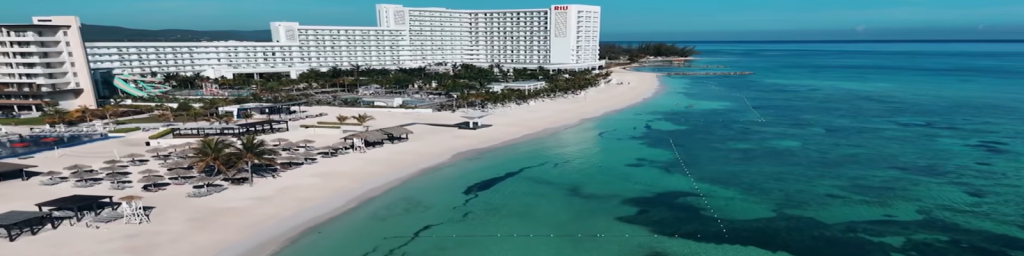
Tokenizing a luxury resort in Jamaica is not a real estate play; it is a macro “Hospitality Arbitrage” play. Institutional Crypto Whales target premium all-inclusive infrastructure in hubs like Montego Bay to exploit a massive currency wedge. The resort generates 100% of its revenue in hard US Dollars (from American and European tourists). However, its operational expenses (labor, local maintenance, domestic supply chains) are paid in the heavily discounted Jamaican Dollar (JMD). By structuring the ownership through a tax-neutral Cayman Islands SPV and tokenizing the equity via ERC-3643, Whales lock in an extraordinarily high net-operating margin. The local sovereign risk is completely isolated, and global token holders receive double-digit, frictionless USDC dividends generated by the permanent demand for Caribbean luxury.
In the matrix of Tokenized Real-World Assets (RWA), residential housing offers low yields and high regulatory friction, while industrial infrastructure offers stability. But for pure, aggressive cash flow, nothing beats institutional-grade hospitality in emerging markets. Jamaica operates as an economic satellite for US tourism. It offers world-class beachfront infrastructure, but unlike Florida or Hawaii, it operates on a developing-nation cost structure. For RWA syndicates, a 500-room luxury resort in Jamaica is essentially an independent economic engine. It imports wealthy US tourists, extracts hard currency, and leverages cheap local operational costs. By tokenizing this highly active cash-flow business, investors bypass the traditional hotel management monopolies (like Marriott or Hilton) and siphon the gross operating profits directly into decentralized stablecoin wallets.
1. The Economics of Hospitality Arbitrage
The secret to high-yield Caribbean RWA is the “FX Wedge”—the permanent gap between the currency you earn and the currency you spend.
| Market Metric | US Coastal Resort (Miami/Hawaii) | Jamaican Luxury Resort (Montego Bay) |
|---|---|---|
| Revenue Currency | US Dollars (USD). | US Dollars (USD). Tourists pre-pay in USD via international booking platforms. |
| Operational Expense (OpEx) | High USD (Expensive US labor, high insurance, strict US labor laws). | Discounted JMD. Labor, local food sourcing, and ground maintenance are paid in Jamaican Dollars, maximizing the profit margin. |
| RWA Token Yield (Net) | Low (4-6%). Eaten up by high domestic operating costs and US corporate taxes. | High (10-15%+). The FX Wedge creates massive free cash flow, protected by tax-neutral offshore SPVs. |
2. Execution & Market Mechanics: The Cayman-Jamaica Pipeline
How does a Crypto Whale in Asia or the Middle East safely extract yield from a Jamaican beach without exposing themselves to local Caribbean political risk? The architecture relies on proximity to the Cayman Islands.
Step A: The Cayman SPV Shield
The RWA syndicate does not incorporate in Jamaica. They establish a Special Purpose Vehicle (SPV) in the nearby Cayman Islands—the gold standard for tax-neutral offshore structuring. This Cayman entity acts as the legal owner (holding company) of the physical Jamaican resort, protecting foreign token holders with strict British common law while avoiding direct domestic Jamaican tax friction on the ultimate dividends.
Step B: The USD Revenue Capture
When a tourist from New York books a $10,000 all-inclusive vacation, the payment never touches a Jamaican local bank. It is routed directly to the Cayman SPV’s international corporate treasury. The SPV only wires the exact amount of fiat (converted to JMD) necessary to cover the local payroll and physical upkeep. The bulk of the profit remains offshore, perfectly preserved in USD.
Step C: ERC-3643 Yield Automation
The preserved USD profits in the Cayman treasury are instantly swapped for USDC. Utilizing the ERC-3643 standard, the smart contract automatically airdrops this USDC yield to the whitelisted wallets of global token holders. The physical resort operates in Jamaica, but the financial asset exists entirely within the frictionless US Dollar stablecoin ecosystem.
Whale Capital Matrix: The Hospitality Yield Engines
In the institutional RWA portfolio, different assets serve different functions. Hospitality is the engine for aggressive cash flow.
| RWA Asset Class | Primary Example Hub | Whale Portfolio Function |
|---|---|---|
| Core Infrastructure | Seattle Data Centers / Phoenix Mega-Fabs | Bond-Like Security. Long-term corporate leases, low volatility, moderate yield. |
| Sovereign Tenant | Brasília Office Towers | Inflation Hedge. Government-backed, inflation-indexed, extreme safety. |
| Hospitality Arbitrage | Jamaica (Montego Bay) / Mexico (Riviera Maya) | Aggressive Cash Flow. High risk/high reward. Monetizing global leisure by exploiting the USD vs. Local Fiat economic gap. |
Strategic Integration via 82shops
- Discover off-market, institutional-grade luxury resort acquisitions across the Caribbean via our Global Property Intelligence Gateway.
- Consult our AI engine for structuring Cayman-based SPVs optimized for hospitality revenue capture and ERC-3643 dividend automation: AI Concierge → Talk to AI Liaison (Live).
Frequently Asked Questions (FAQ)
Why tokenize a resort in Jamaica instead of Miami, Florida?
It comes down to operating margins. A resort in Miami charges $800 a night, but pays US-level wages, exorbitant property taxes, and massive insurance premiums, leaving a tiny profit margin. A luxury resort in Jamaica also charges $800 a night to the exact same US tourists, but pays local Jamaican wages and operating costs. This ‘Arbitrage’ results in a massive net profit that can be distributed to RWA token holders.
Does investing in a Jamaican resort expose token holders to the Jamaican Dollar (JMD)?
No, zero exposure. The entire RWA structure is designed as a ‘USD Firewall.’ Tourists pay in USD. The profits are held in an offshore Cayman Islands SPV in USD. The dividends are paid to your wallet in USDC. The only time the local currency (JMD) is used is when the SPV converts a small portion of USD to pay the local staff and utility bills.
What about hurricane and weather risks in the Caribbean?
This is why RWA Tokenization is strictly for institutional-grade properties, not retail Airbnbs. Mega-resorts in Jamaica are constructed to severe weather codes and, more importantly, are backed by massive institutional pooled insurance policies managed by the Cayman SPV. Even if the physical asset faces a temporary shutdown, business interruption insurance ensures that the USDC dividend yield to token holders is protected.
FOCUS
By turning your attention to luxury resorts in Jamaica, you have grasped the essence of “Hospitality Arbitrage,” the most powerful cash-generating model in the global real estate RWA market.
While the high-end all-inclusive resorts located in Montego Bay or Ocho Rios in Jamaica appear to be vacation destinations on the surface, on the financial statements of these “whales,” they are “perfect dollar (USD) milking machines.”
Operating a resort in Florida or Hawaii in the U.S. means that profits are paid in dollars, and labor and maintenance costs are also paid out in the expensive dollar. However, in Jamaica, “expensive accommodation fees are charged to U.S. and European tourists 100% in dollars (USD), while labor costs and local maintenance expenses for running the resort are paid in the inexpensive Jamaican Dollar (JMD).” The massive FX arbitrage generated here is fully converted into high-yield USDC dividends of 10–15% for RWA token holders.
Furthermore, Jamaica is geographically located in perfect proximity to the Cayman Islands (the world’s premier tax haven and financial hub), making it the most advanced location for establishing offshore SPVs and financial piping designs for tax defense. A premium report analyzes Hospitality Arbitrage at Jamaica’s Luxury Resorts and Caribbean RWA Strategies.
C-Level Key Diagnosis: “Earn money in New York, operate in Jamaica, and receive dividends via blockchain.”
The CEO’s vision regarding the Jamaica resort accurately targets the most aggressive and attractive ‘Cash Cow’ within the RWA portfolio.
Margin Maximization Using the ‘FX Wedge’: (FAQ 1, 2) – In the ‘Map of the Three Major Currency Hegemony’ we previously analyzed, the Jamaican Dollar (JMD) is a typical ‘exploited Frontier currency.’ Whales thoroughly exploit this weakness. We presented a perfect economic arbitrage model—collecting profits in the powerful imperial currency, the ‘US Dollar (USD),’ while slashing costs in the weaker nation’s currency, the ‘Jamaican Dollar (JMD)’—as the basis for the explosive dividend yield of the RWA token.
Utilizing the Cayman Islands Financial Pipeline: In the previous Samoa report, we analyzed that “old tax havens are dead.” The Jamaica RWA project demonstrates a sophisticated institutional-grade financial pipeline designed to perfectly launder funds and preserve them in dollars by establishing an SPV in the neighboring Cayman Islands—a world-class regulated offshore financial hub—to circumvent the instability of local Jamaican laws. (A structure where tourist payments flow into the Cayman Islands before even setting foot on Jamaican soil).
Diversification of RWA Asset Natures (Portfolio Completion):
- Phoenix Semiconductor / Boston Lab = Bond Type (Safety, Fixed Monthly Rent)
- Brasilia Government Building = Inflation-Protected Type (Safety, Government Bond Linked)
- Jamaica / Cancun Resort, Mexico = Equity Type (High Risk, High Return, Explosive Cash Flow)
Socko/Ghost