Osaka Urban & Hospitality RWA via ODX Liquidity & Mega-Development Drivers
While Tokyo remains Asia’s legacy financial capital, Osakahas taken the definitive lead inon-chain real estate tokenization and secondary market Security Token (STO) liquidity. Driven by massive infrastructure investments around the Yumeshima Integrated Resort (IR) and the launch of the Osaka Digital Exchange (ODX), Osaka’s commercial and multi-family residential sectors offer institutional investors unprecedented cash flows combined with institutional-grade exit liquidity.
1. Structural Growth Catalysts: The Osaka Advantage
Osaka’s real estate fundamentals stand out across the Asia-Pacific region due to several high-impact macroeconomic tailwinds:
- Yumeshima IR & Casino Megaproject: The $10B+ Integrated Resort development drives sustained long-term appreciation for hospitality, short-term rental (Minpaku), and commercial assets across central corridors (Umeda, Namba, Shinsaibashi).
- Superior Yield Spread vs. Tokyo: Osaka residential and hospitality assets deliver net operating yields of 5.5–7.5%, significantly outperforming Tokyo’s compressed cap rates while retaining Japan’s sovereign legal protections.
- Flexible Tourism & Minpaku Regulations: Osaka Special Zone Minpaku rules allow year-round 365-day short-term rental operations for qualifying properties, optimizing gross rental revenue streams.
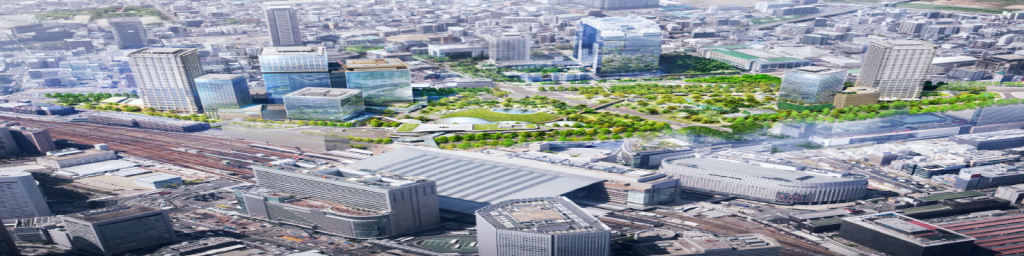
2. ODX & Legal Framework: Secondary Market Liquidity for RWA
The critical differentiator for Osaka RWA assets is the operational presence of the Osaka Digital Exchange (ODX) Proprietary Trading System (PTS), fully regulated by Japan’s Financial Services Agency (FSA).
How Osaka Tokenization Operates:
- GK-TK Property Holding: Property deeds are secured within a Japanese Special Purpose Entity (Godo Kaisha / GK), with beneficial equity distributed as Tokumei Kumiai (TK) silent partnership interests.
- FIEA-Compliant Security Tokens: TK rights are issued as digital security tokens under Japan’s Financial Instruments and Exchange Act (FIEA), guaranteeing legal enforceability bound to public land records.
- Secondary Market Trading via ODX: Unlike traditional private placement real estate, tokenized Osaka assets can be traded on secondary digital exchanges, providing investors with fractional exit flexibility prior to property maturity.
3. Cross-Border Settlement & Automated Stablecoin Distribution
82shops supports institutional workflows that connect international Web3 liquidity to Osaka’s tokenized property landscape:
- Regulated Fiat / Stablecoin Onboarding: Primary equity subscriptions and token reservations are processed via licensed Japanese CASPs and Type-1 financial institutions using USDT, USDC, or JPYC.
- Automated Yield Streaming: Rental cash flows from Osaka residential or hospitality operations are converted into stablecoins and distributed directly to whitelisted investor wallets via smart contracts.
Why It Matters
Osaka solves the greatest historical drawback of real estate investing—illiquidity—by uniting high physical yields with regulated digital secondary trading:
- Institutional Liquidity Engine: ODX integration turns Osaka real estate into a liquid, tradable asset class without sacrificing sovereign legal safety.
- High Cash Flow Security: Strong inbound tourism and residential demand ensure steady, inflation-hedged yields backed by Japanese law.
- Strategic Portfolio Balance: Investors can pair high-yield Japanese urban assets (Osaka) and resort assets (Okinawa) with global hubs (Dubai, Malta, Greece) under a unified RWA compliance framework.
4. Access Osaka RWA Opportunities via 82shops
Explore verified Japanese tokenized property opportunities and initiate institutional matchmaking:
- Review regional intelligence on our Global Property Intelligence Gateway.
- Inquire directly with our interactive AI system: AI Concierge → Talk to AI Liaison (Live).
- Connect with accredited Japanese real estate brokers and legal experts via the AI-Network (Broker Network).
Socko/Ghost